

The Theater of Quantum Science Labs: Backstage Infrastructure
The Systems Behind the Performance
Theater audiences focus on what happens under the lights. Yet every production depends on an intricate network of systems operating behind the curtain. Rigging moves sets into place. Lighting controls the atmosphere. Technicians coordinate countless processes that the audience may never see, but without them, the performance stops.
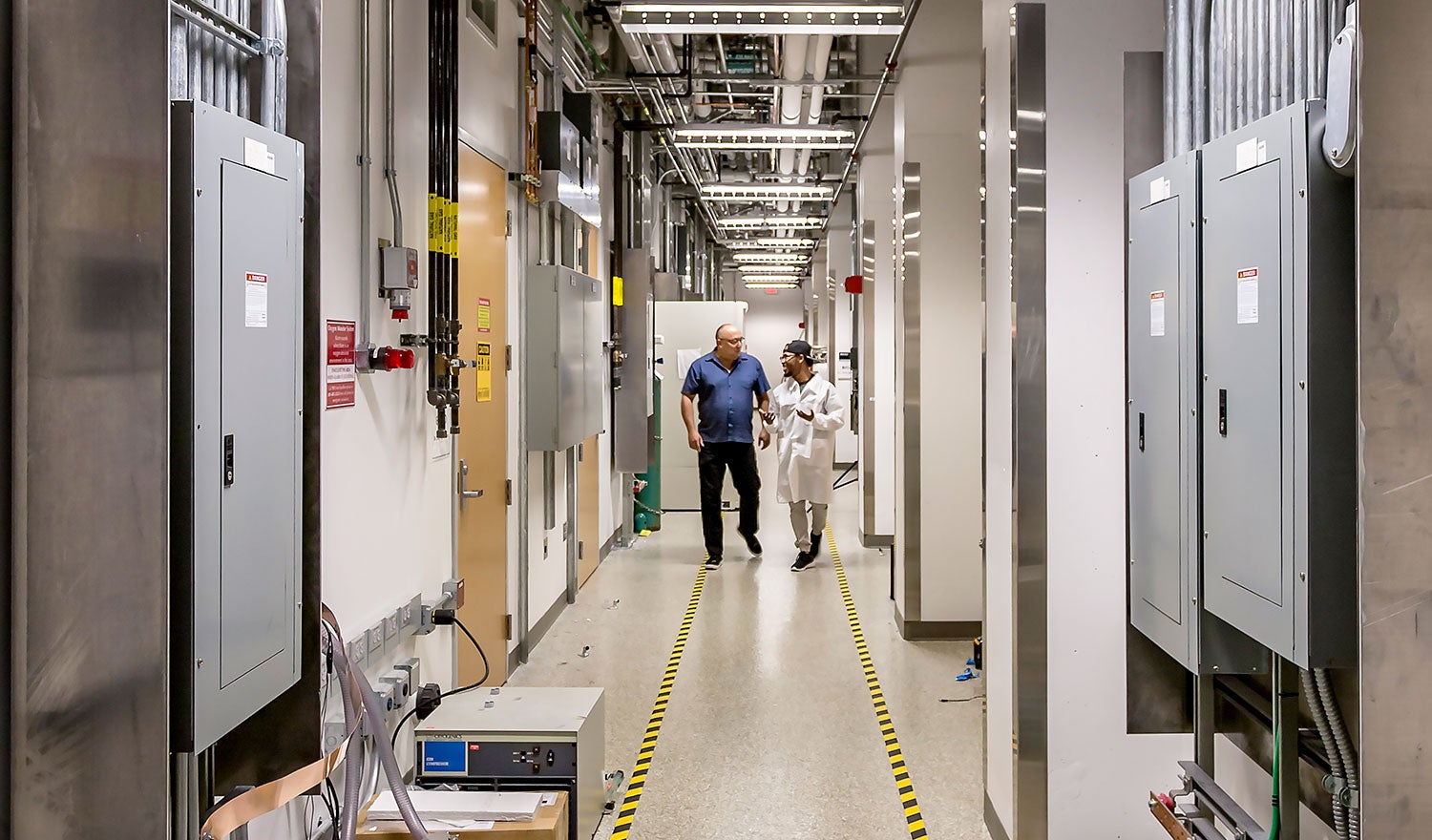
The quantum laboratory itself may be the stage for discovery, but its success depends on a vast offstage infrastructure working cohesively in the background. Power distribution, cooling systems, data networks, environmental controls and operational technologies form the hidden framework that allows today’s most advanced research to take place. These systems are an important part of the scientific enterprise.
“People often underestimate the amount of utility and power required to support these environments,” said Tzveta Panayotova, education and science principal. “These systems are not afterthoughts. They are part of the science. They are an integral part of the experiment.”
The Growing Appetite for Power
As quantum computing, artificial intelligence (AI) and advanced scientific instrumentation evolve, they place unprecedented demands on building systems and utilities.
Researchers have always required reliable power, but the scale of contemporary computing is reshaping the conversation. Facilities increasingly balance scientific ambition with available utility capacity, infrastructure resilience and long-term sustainability goals.
Electrical capacity, cooling availability and distribution systems all require significant investment. Institutions must go beyond meeting today's needs and also anticipate what researchers may require years from now. The pace of innovation leaves little room for reactive planning.
“What you have today will not be adequate for the needs of tomorrow,” Tzveta said. “Institutions need to project ahead and build a strategy that allows infrastructure to expand with the research.”
Managing Heat, Not Just Energy
Every watt consumed by computing equipment eventually becomes heat. As computing power increases, so does the burden placed on cooling systems. For highly specialized research environments, maintaining stable operating conditions can become just as important as delivering electricity in the first place.
The most effective solutions often focus on recovering value from systems that traditionally generate waste.
“We know what to do when researchers have large heat-producing equipment,” said Matthew Fickett, principal planner. “We should be cooling it with water, not air. We should be trying to recover heat from exhaust or wastewater wherever possible.”
Many older facilities were never designed to accommodate water-based cooling strategies or the infrastructure requirements of emerging technologies. As a result, institutions are increasingly faced with difficult questions about modernization, retrofitting and a painful long-term infrastructure investment.
Success requires understanding energy, cooling and utility systems as interconnected components rather than isolated design decisions and distant considerations.
Connecting the Digital Backstage
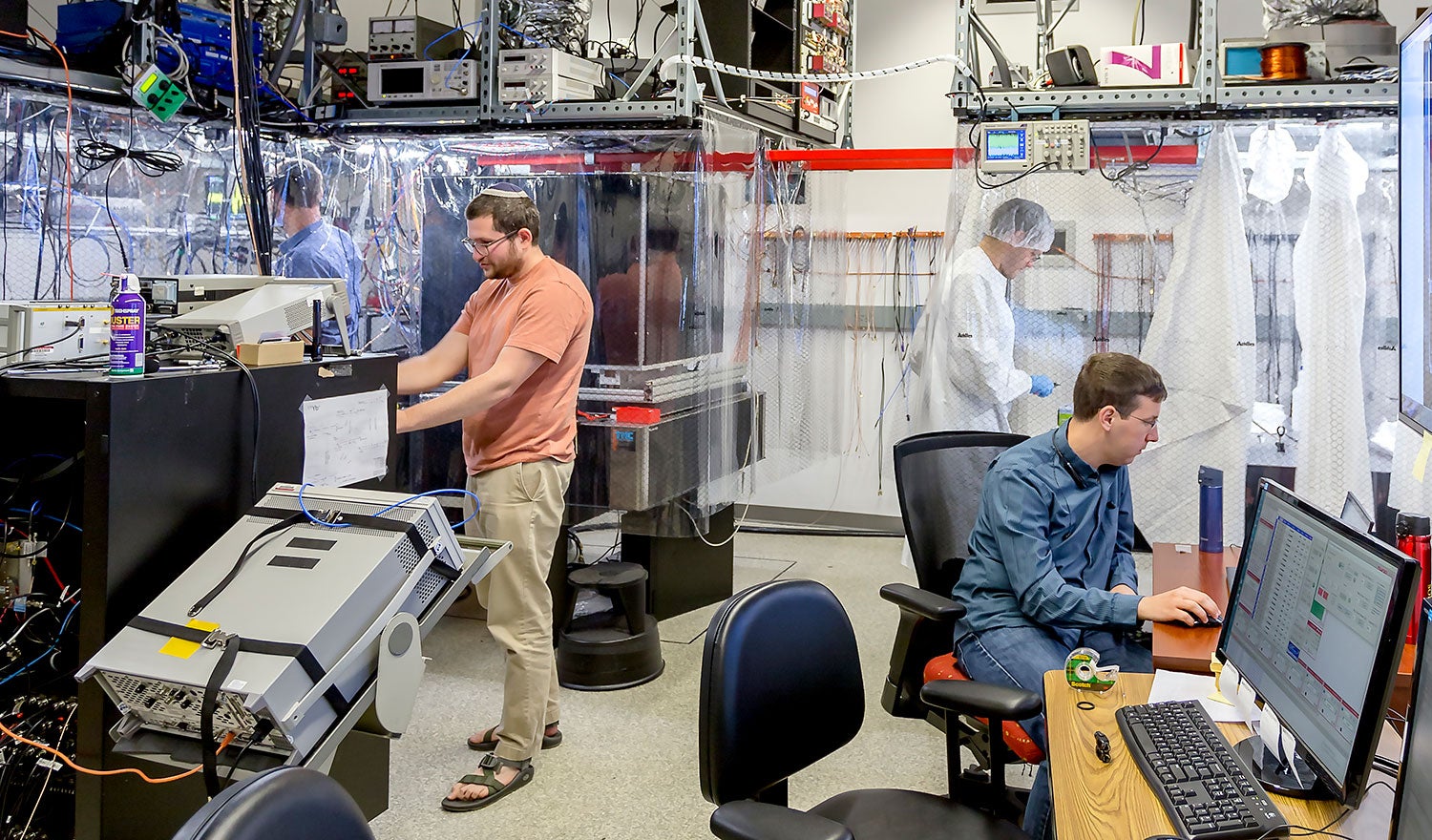
Sensors, monitoring platforms and connected building systems allow operators to track equipment performance, understand resource consumption and identify emerging issues before they become disruptions. Predictive analytics can help facilities better understand demand patterns and improve operational decision-making.
Some institutions are exploring digital twins, virtual models that mirror real-world building performance. By receiving information from sensors throughout a facility, these digital environments can help operators visualize conditions and plan future investments.
While the industry is still refining how these tools are implemented, it’s clear that the future of research facilities will depend on stronger connections between physical infrastructure and digital intelligence.
“We can’t just plan the architecture and hope the engineering responds magically,” Tzveta said. “The architecture, engineering, digital systems and long-term strategy all need to be considered together.”
Designing for Reliability
Researchers may spend their days pursuing breakthrough discoveries, but many of their concerns are surprisingly practical. A power interruption, cooling failure or equipment outage can jeopardize months or even years of highly technical work.
“When we have conversations about the building systems that support these labs, the number one thing that comes up is reliability,” Matthew said. “Many researchers have been burned by being in a building where a system goes down and they lose a year’s worth of research and have to start over.”
Reliability is not glamorous, but it is essential. Researchers need confidence that power systems, chilled water infrastructure and environmental controls will perform consistently under demanding conditions with the needed backup. They need buildings that allow them to focus on science rather than worry about what could fail next.
Giving Space to What Makes Science Possible
One of the most common planning challenges has little to do with advanced technology and everything to do with priorities.
Back-of-house functions often compete with research space for square footage and funding. Loading areas, storage rooms, support infrastructure and utility spaces rarely generate excitement. Yet these environments frequently determine whether a facility can operate effectively over time.
“No one ever gets excited to allocate more space to the back of house and support functions,” Tzveta said. “But these spaces can be the engine of the building because they make the whole system work.”
Just as a theater cannot function without its rigging, catwalks and backstage crews, a research facility cannot succeed without the systems that support discovery. The challenge is recognizing their value early and integrating them thoughtfully into the overall design.


