

Protecting Communities Through Smarter Water Quality Laboratory Design
Addressing Public Health Crisis
The water crisis in Flint, Michigan, delivered an important lesson: Sustained investment in water infrastructure is essential to protecting public health. But Flint is not alone. Communities across the country face similar threats, from elevated lead levels in Buffalo, to per- and polyfluoroalkyl substances (PFAS) pollution across Houston, sewage contamination in Puerto Rico and high levels of pesticides and nitrates in California’s Central Valley water. These challenges disproportionately impact disadvantaged communities and are associated with increased risks of birth defects, developmental issues, weakened immune systems and serious illnesses, including certain cancers. These cases highlight an urgent need to fiercely protect drinking water quality and wastewater management across the U.S.
Water and wastewater treatment facilities sit at the intersection of water conservation and environmental health. They provide clean, safe drinking water and limit pollutants entering local waterways. Water quality laboratories are an important component of these critical facilities that test samples from creeks, rivers, reservoirs, groundwater basins, aquifers and, of course, the treatment facilities themselves.
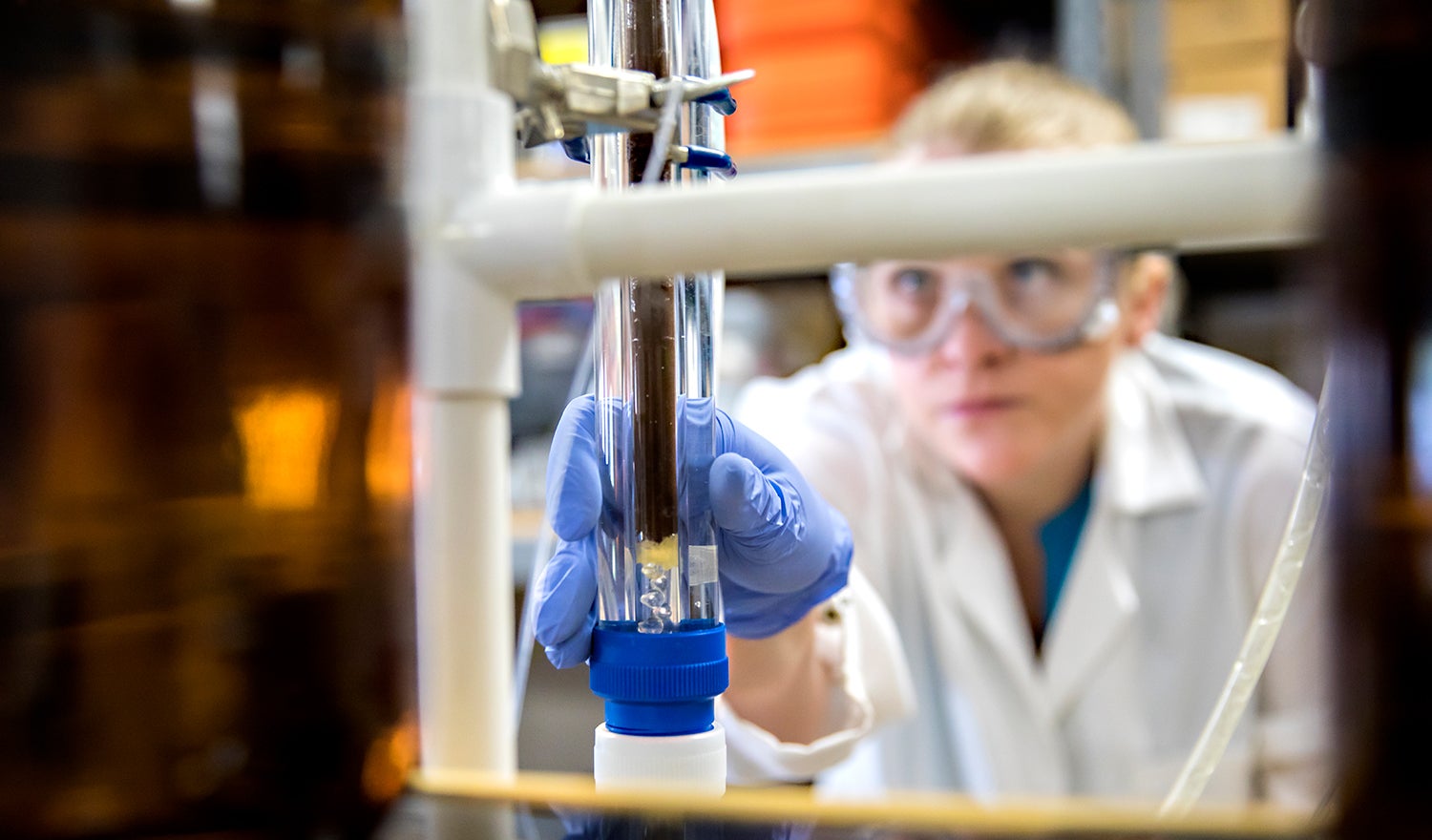
Our “One Water” approach allows us to help our clients holistically overcome challenges in their water ecosystems. We help examine the interconnectedness between various elements — namely watersheds, drinking water, stormwater, wastewater, urban planning, agriculture and industry — while advancing equity and resource conservation.
Upgrading public water quality labs allows water quality laboratories to conduct more certified methods in-house, reducing cost and turnaround times for critical results. It is imperative to design these laboratories and plants with the same flexibility and resilience as emergency operations centers so they can adapt beyond normal compliance monitoring and population growth to withstand natural disasters and accidents.
Planning and Designing Water Quality Laboratories
Designing a new water quality laboratory or upgrading one within a water treatment facility, requires close collaboration among plant operations staff, the Supervisory Control and Data Acquisition (SCADA) team, the water quality laboratory managers, process engineering, and laboratory design and construction team. This synergy helps us design facilities where operational processes, safety and resilience are of the highest quality.
Adhering to Applicable Regulations
Water quality laboratories operate within a highly regulated environment. At the federal level, they are governed by the Environmental Protection Agency (EPA), particularly its National Primary Drinking Water Regulations and National Pollutant Discharge Elimination System. Depending on location, labs must also meet additional state or regional requirements. For example, states in the Great Lakes region are governed by the 10 States Standards, while California has the state-specific Environmental Laboratory Accreditation Program. The EPA also approves the analytical methods that laboratories use to demonstrate compliance. Meeting these requirements directly influences decisions about biological safety needs, furnishings, finishes, equipment, utilities and the amount of space allotted per technician — all of which shape safety protocols and operational efficiency.
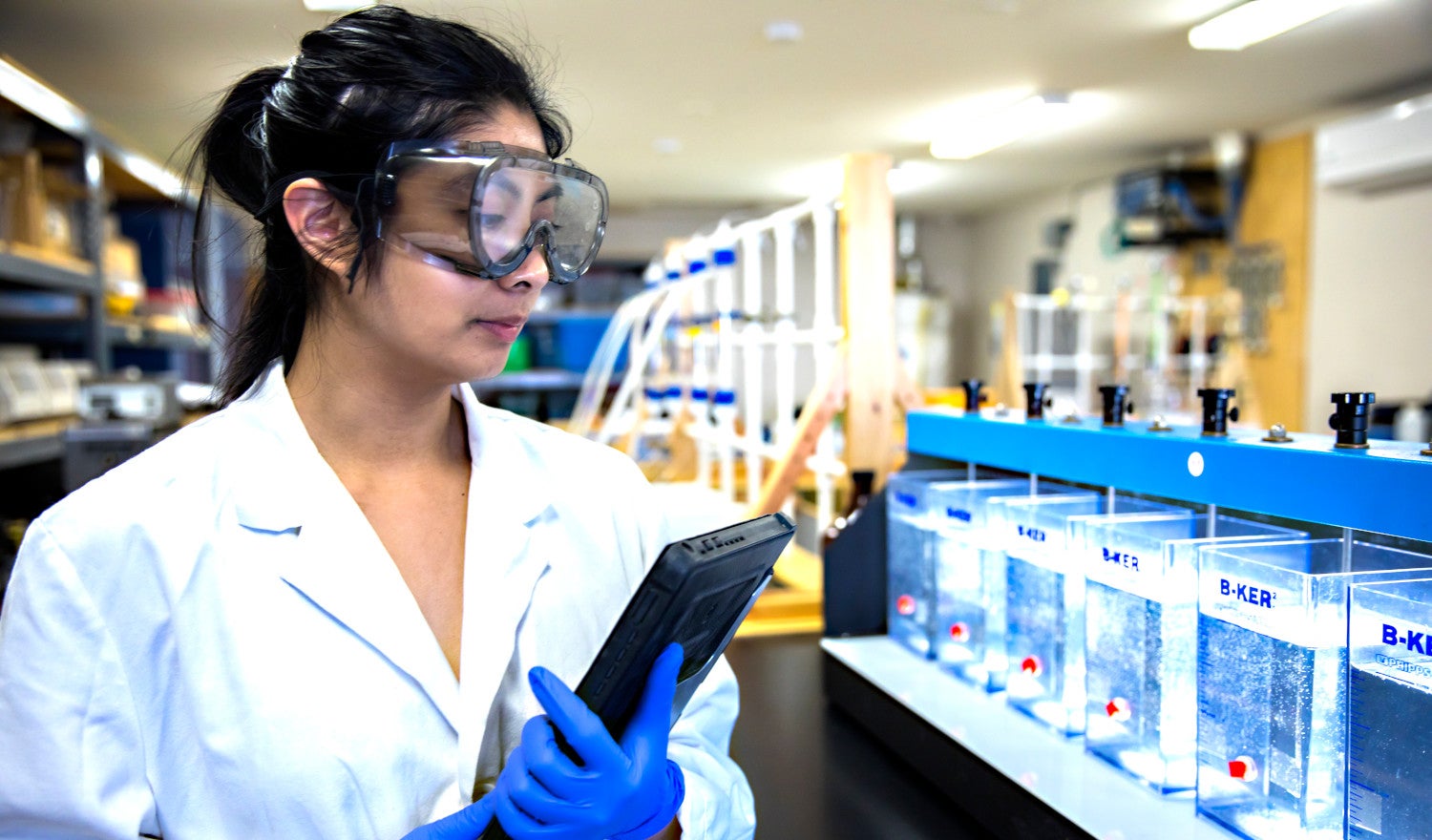
Technical Requirements: The Impact of Sample Types and Testing Methods
A clear understanding of the testing methods performed in the lab directly impacts space planning, adjacencies and environmental controls. Typical analyses include acidity or alkalinity (pH), hardness, turbidity, dissolved solids, organic, inorganic, metals, PFAS and microbiological contaminants.
Lab users and the designers can determine which methods can co-exist in shared environments with similar temperature, humidity, vibration and lighting requirements. They can also evaluate opportunities to share equipment, instruments and utilities, a key cost and space-saving strategy. For example, mass spectrophotometers that conduct gas and liquid chromatography can be significantly expensive, vibration-sensitive and require piping of multiple gases, EPA certification and considerable maintenance. Including the relevant vendors’ expertise earlier in the design process establishes reliable support for these analyses.
Conversely, certain testing methods such as microbiology, trace metals and PFAS require separation from other processes to prevent cross-contamination. For example, it is recommended to explore non-corrosive material like polypropylene casework for a lab carrying out metals testing. Similarly, for a lab conducting PFAS testing, care must be taken so that finishes reduce the occurrence of PFAS. These distinctions guide how spaces are divided and sequenced within the overall laboratory layout.
Determining the Functions of Support Spaces
It is also important for the lab users and designers to discuss support spaces that may be shared based on the scale of the lab. Auxiliary spaces include:
- Dedicated water polishing room to hold water purification units
- Autoclave room for sterilization
- Glassware washer and bottle preparation room
- Shared equipment rooms to isolate heat and noise-producing equipment, such as cold storage
- Chemical or hazardous waste storage rooms
- Gas cylinder room
- Storage rooms for supplies or paper records
- Cleaning, storage and servicing field equipment
- Acid waste neutralization system, depending on disposal protocols
Water is an essential element and deserves our utmost attention and care from the source to the lab to the bottle. As the EPA continues to address emerging contaminants through 2031, our community of professionals can work together resolutely to strengthen the safety and quality of water nationwide.

