

Designing Quieter Helipads: The Acoustics of Hospital Noise Control
Blending Function and Comfort
Helicopter landings signal urgency. They bring specialists, critical supplies and life‑saving care. Yet the same operations can introduce significant noise into places where quiet supports healing. Health systems across the country are working to balance these realities as emergency services expand and rooftop heliports become more common.
Designing for this balance is both a technical and human effort. It asks teams to understand how rotorcraft noise affects patients and procedures, and how it moves across hospital campuses and into neighborhoods. It also requires collaboration among architects, acousticians, engineers and clinical leaders who each bring a piece of the puzzle.
Understanding the Acoustic Challenge
Rotorcraft noise is uniquely difficult to protect against. Low‑frequency energy travels farther, sound levels shift rapidly as aircraft approach and depart, and noise often reaches the most sensitive parts of a hospital. Patient rooms, imaging suites and operating spaces can all feel the impact unless teams anticipate acoustic conditions early in the design process.
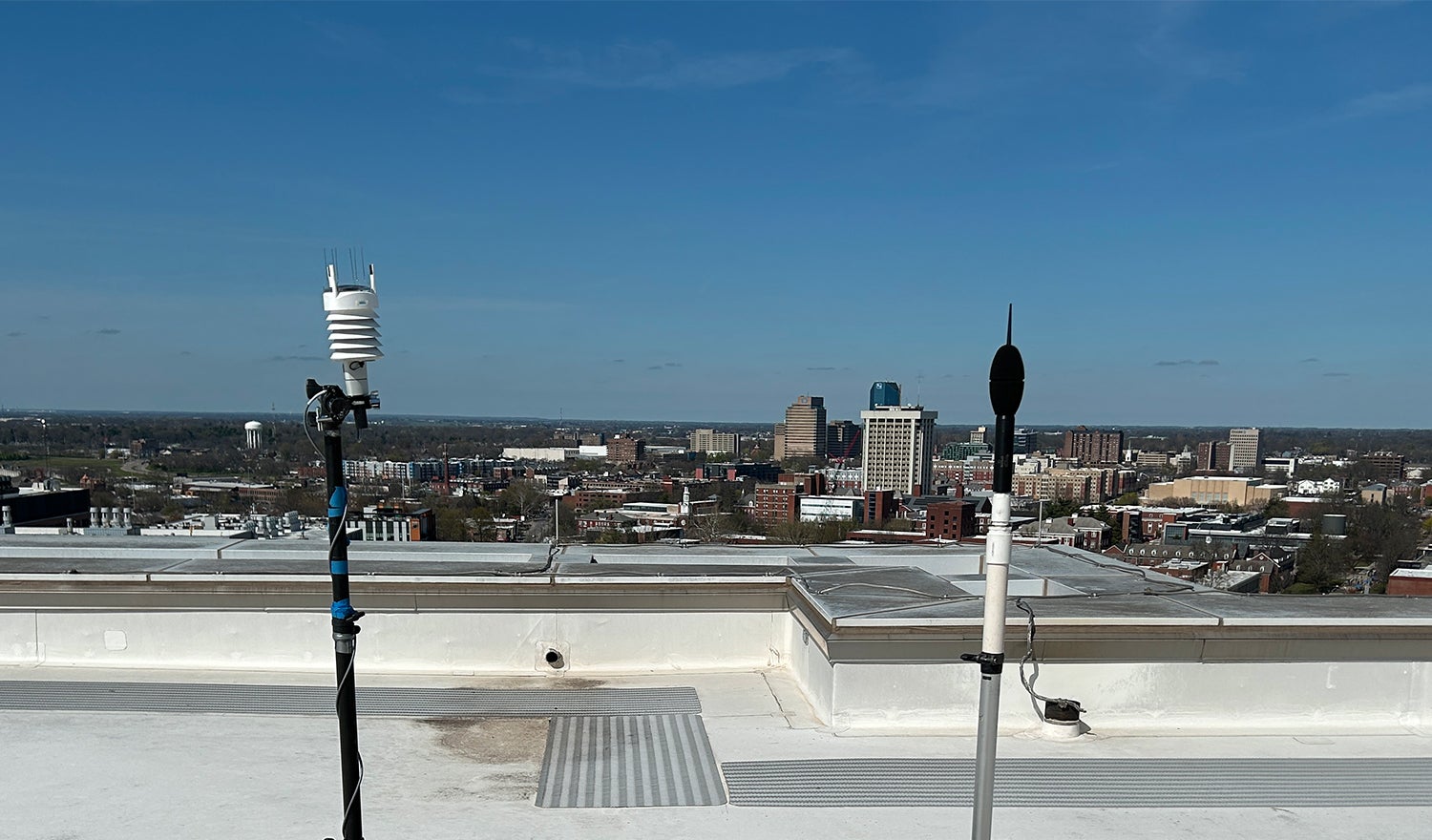
Hospitals also sit within diverse neighborhoods. Changes in flight paths, building heights and aircraft types can influence how communities experience helicopter noise. These variables reinforced the need for early acoustic planning at the University of Nebraska Medical Center, where a weeklong environmental noise study informed the design of the campus’s replacement hospital. The findings helped guide façade performance and predict how future helicopter activity would interact with the surrounding site.
Predicting the Invisible
Integrated teams begin with detailed helicopter noise modeling that illustrates how sound moves around a proposed site. These simulations help designers compare helipad locations, understand how different aircraft types affect the campus and anticipate how noise may reach patient windows or procedural rooms.
This predictive approach was central to planning for UK HealthCare’s Albert B. Chandler Hospital Expansion. The design team measured existing helicopter operations across the campus and modeled future scenarios to understand how proposed helipad locations would affect patient floors. The work allowed the team to define the sound isolation requirements for the new tower’s building envelope and plan a quieter environment for a growing region.
The ability to see sound patterns before construction helps teams make informed decisions and supports clinicians and administrators who must balance operational capacity with the need for quiet healing spaces.
Designing With Purpose
Acoustic strategies become most effective when they are integrated into architectural and structural planning from the start. Sometimes the solution is a shifted or elevated helipad location. In other cases, it may involve enhanced façade performance, interior sound isolation or landscape site elements that help redirect sound away from sensitive areas.
At Henry Ford Health Destination: Grand, design teams used predictive modeling and onsite noise monitoring to shape the acoustic strategy for the health campus’ major replacement hospital. Early insights guided decisions about building envelope performance, vibration control and interior partitions across a million square feet of inpatient and outpatient spaces. The result is a design that supports helicopter operations in a dense urban environment while helping maintain patient comfort inside.
Verifying Performance and Building Trust
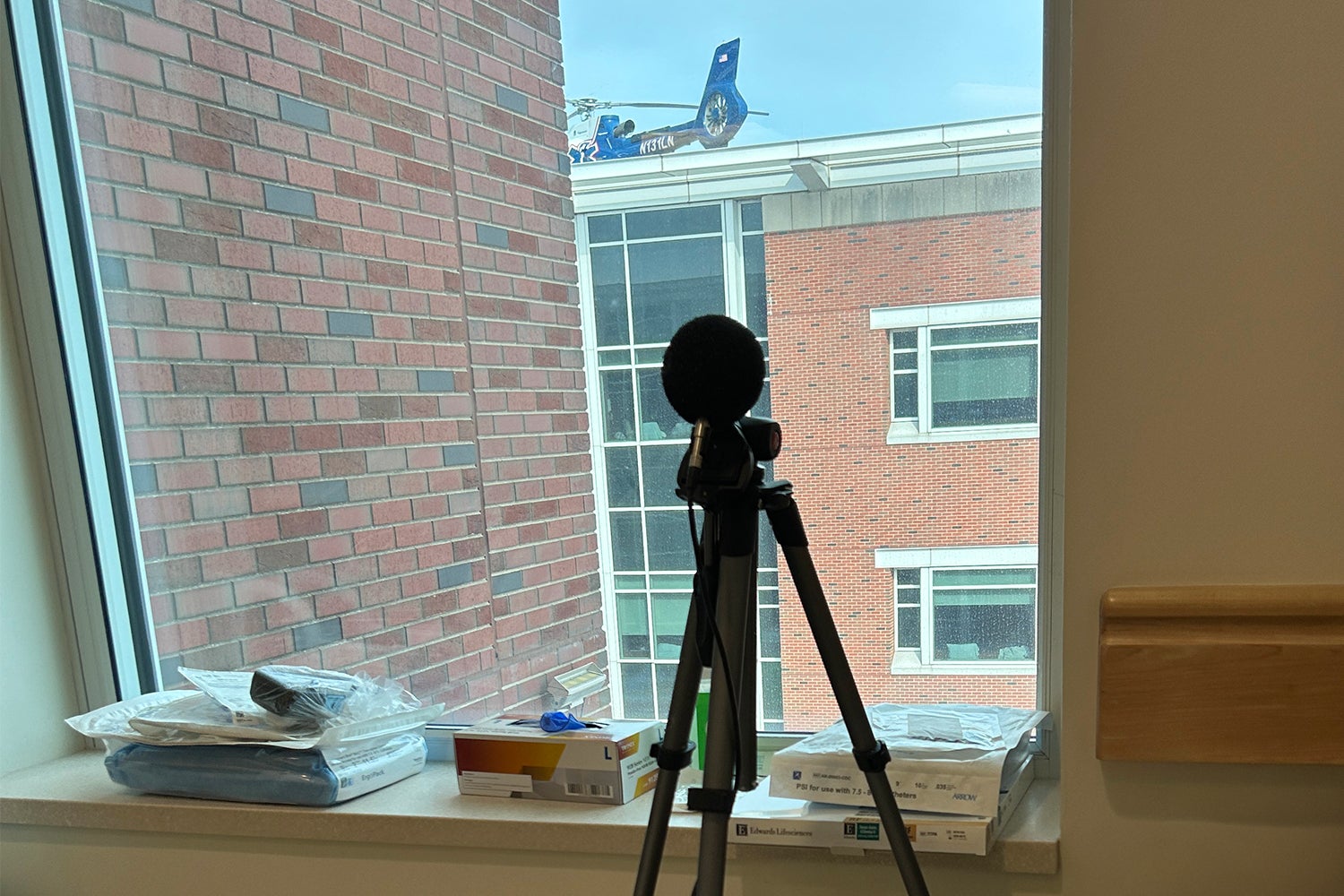
Once a facility is built, teams return to measure sound during helicopter operations. These field surveys help verify whether predictions align with actual conditions and allow designers to refine their methods for future projects.
This verification work strengthens partnerships over time. It gives clients confidence that design decisions are grounded in data and that their concerns about patient experience, staff well‑being and community impact remain central throughout the process. In many cases, this post‑occupancy insight becomes the foundation for long‑term collaboration on future phases or new campuses.
Designing for Patients, Clinicians and Communities
Thoughtful helipad acoustics is not simply a technical exercise. It reflects a broader commitment to healing environments, predictable operations and community stewardship. When integrated teams understand both the science and the human impact of sound, hospitals can provide rapid emergency access without compromising the quiet spaces where recovery begins.
Emergency helicopters will always carry urgency. With the right design approach, they can also fit seamlessly into the calm that hospitals work so hard to create.
Additional subject matter expert contribution from: Benjamin Copenhaver, senior acoustician; Adam Buck, senior acoustician; Mathew Blankenship, senior aviation planner; and Darin Blair, senior project architect.
