

Designing for Discovery: What Institutional Owners Must Rethink About Research Facilities
Analyzing the Future of Labs
HDR hosted a panel on the Future of Research in Canada with a group of exceptional research and healthcare leaders. While their perspectives differed, the message was strikingly consistent, and highly relevant for institutional owners responsible for planning the next generation of research facilities.
Scientific discovery is moving faster than most of our buildings were ever designed to accommodate. Breakthroughs in genomics, artificial intelligence, radiopharmaceuticals and personalized medicine are transforming not just what research can do, but how quickly it can move from idea to real-world impact. Increasingly, it’s not the science holding things back, it’s the infrastructure and policy. Below are some of the key sound bites from the discussion.
Panelists
- Dr. Rebecca Auer, Executive Vice President of Research and Innovation at The Ottawa Hospital, CEO and Scientific Director of the Ottawa Hospital Research Institute
- Ian McDermott, VP, Facilities & Capital Development at Sinai Health
- Matthew S. Miller, Ph.D., Executive Director, Global Nexus; Director, Michael G. DeGroote Institute for Infectious Disease Research; Co-Director, Canadian Pandemic Preparedness Hub (CP2H); Canada Research Chair in Viral Pandemics; University Scholar, Member, Royal Society of Canada College of New Scholars; Professor, Biochemistry and Biomedical Sciences, McMaster University
Panelist Response
- Mohamed Nasser Eddine, Vice President of Programs and Planning, Canada Foundation for Innovation
Rapid Discoveries, Delayed Translation
“The discoveries are happening so quickly … the pipeline of potential therapeutics is unprecedented. But our ability to translate those discoveries into patient care has not kept pace.”
— Dr. Rebecca Auer
Shifting Research Platforms and Frameworks
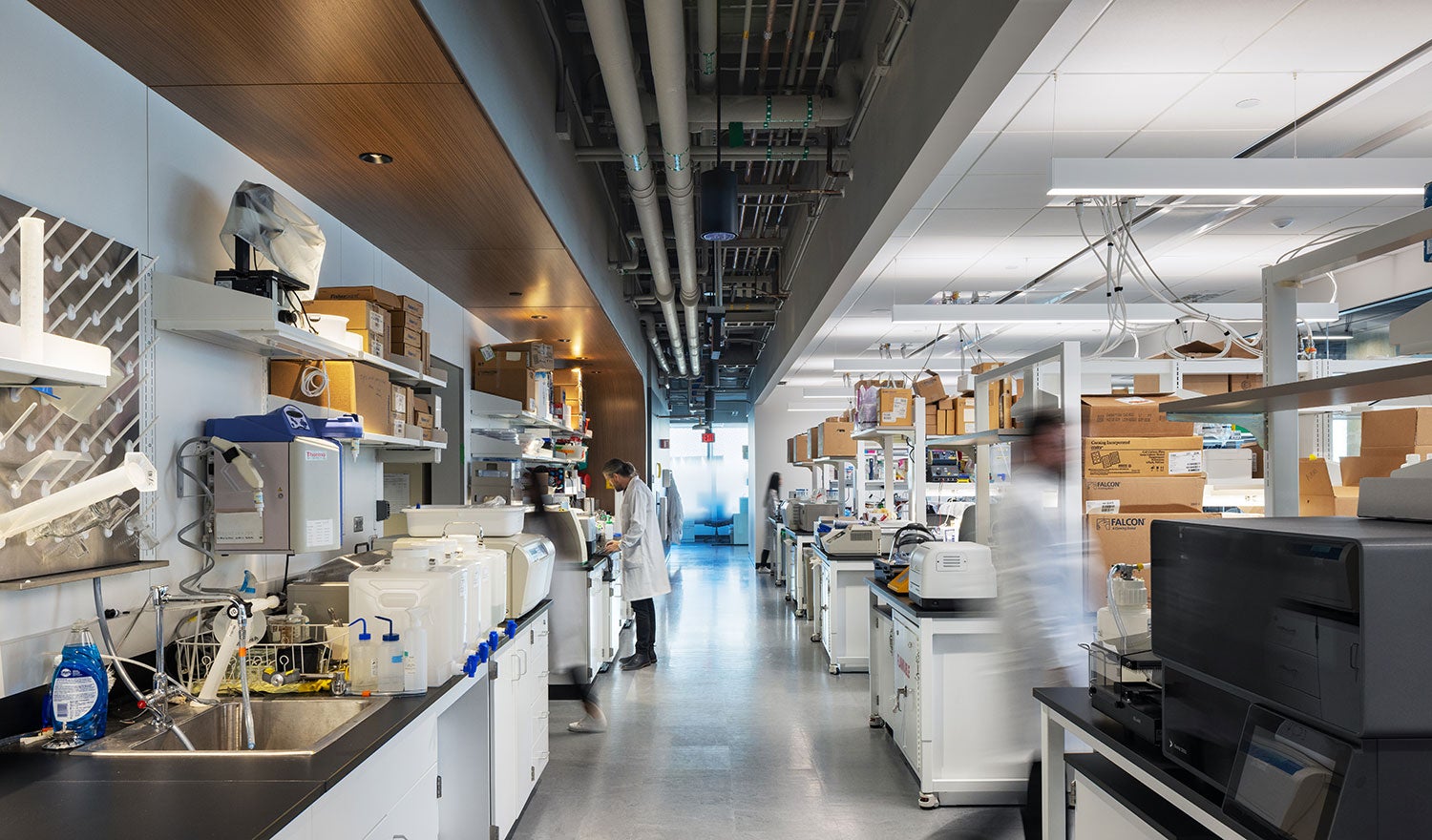
“What we’re seeing now isn’t just individual breakthroughs — it’s platform shifts. Infrastructure today compresses timelines, reduces risk and creates environments where discovery and translation can happen simultaneously.”
— Mohamed Nasser Eddine
Data: The Transformative Domino
“The quantity of data and the infrastructure and frameworks needed to evaluate that data is probably the most transformative thing that's happened across the health space.”
— Dr. Matthew Miller
The Challenge: The Gap Between Discovery and Care
A Stagnant Clinical Trial System
“We still have a clinical trial system that hasn’t changed much in two decades. And we continue to draw a line between what is ‘research’ and what is ‘care’ — even though that distinction no longer reflects reality.”
— Dr. Rebecca Auer
Unclear Research Pathways
“Most academic discoveries will never reach clinical trials — not because the science isn’t good, but because the path forward isn’t understood early enough.”
— Dr. Matthew Miller
Research Environments That Are Not Meeting the Moment
“There’s nothing worse than recruiting a brilliant scientist who’s excited about the mission — and then not having the right environment. You will lose that talent.”
— Ian McDermott
The Design Opportunities: Supporting Adaptability, Partnership and Collaboration
Core Facilities as the New Commons
“Canada is building an incredible network of core facilities. The advantage is speed. A researcher can arrive and start meaningful work immediately — without waiting months to assemble specialized capabilities.”
— Ian McDermott
Flexible, Adaptable Facilities
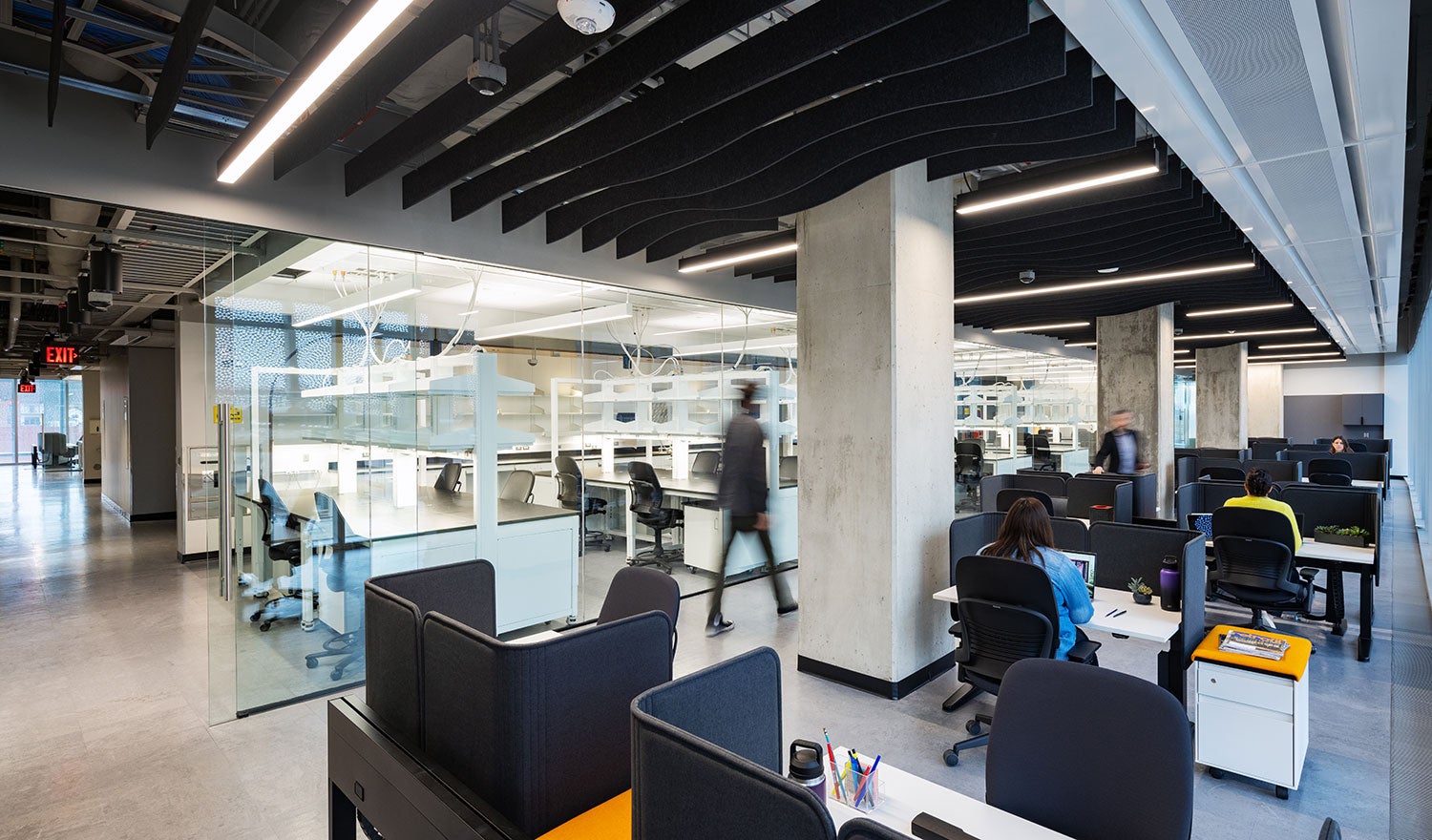
“The most successful facilities are those that can evolve as science evolves … Infrastructure has become the neutral ground where these partnerships become real. That’s where governance, co‑investment, and shared purpose start to take shape.”
— Mohamed Nasser Eddine
Designing for Collaboration and Partnership
“Where do the best ideas come from? They come from collisions — from people talking over food, meeting by chance, discovering they’re working on adjacent problems.”
— Ian McDermott
“Infrastructure has become the neutral ground where these partnerships become real, that’s where governance, co‑investment, and shared purpose start to take shape.”
— Mohamed Nasser Eddine
Moving Forward
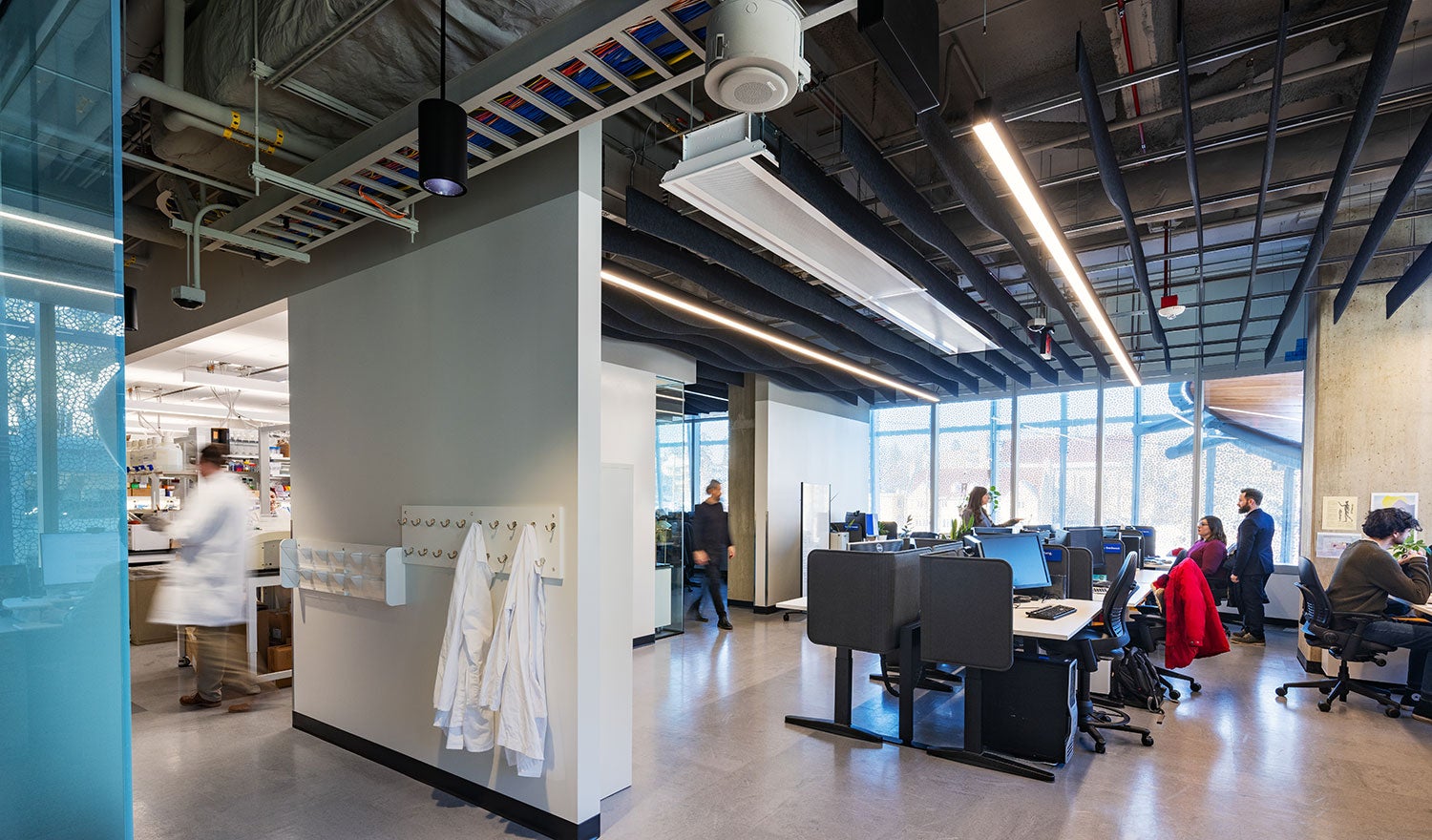
The quotes shared above are a small sample of our engaging and informative conversation. This much is clear: while traditionally research infrastructure has been delivered as a series of discrete projects: a new lab wing, a major piece of equipment, a dedicated clinical research unit. That project‑by‑project mindset no longer reflects how science actually happens. For institutional owners, this requires a fundamental shift in mindset: away from delivering individual buildings or isolated assets, and toward intentionally cultivating long‑term research platforms — platforms built to support multiple disciplines, partners, and forms of inquiry, and to remain relevant as science inevitably continues to evolve. The most forward‑looking institutional owners are asking different questions:
- How does this facility shorten the path from discovery to real‑world impact?
- Who beyond our institution needs access to this platform?
- How will this environment adapt as science, technology, and regulation inevitably evolve?
- What message does this investment send to future researchers, partners, and funders?
As Dr. Matthew Miller reflected, “Canada has always punched above its weight in research. What’s different now is that we’re starting to put deliberate tools in place to support that strength.”
Buildings are now among those tools. And the infrastructure decisions being made today will shape not only what research happens tomorrow, but also who participates, how quickly impact is realized, and whether institutions lead or follow in the next era of discovery.

