
Explaining the Science Behind Keep America Beautiful's National Litter Study
Keep America Beautiful, a national nonprofit organization that works to reduce litter, increase recycling and improve communities across the nation, released its latest National Litter Study that shows litter is down 34% since 2020. But an estimated 35 billion pieces still remain along U.S. roadways, waterways and coastlines.
Veronica Roof, HDR solid waste planning practice lead, joined Keep America Beautiful's Do Beautiful Things podcast to provide a behind-the-scenes look at how HDR supported the groundbreaking research, including innovative methodology and robust data collection. She also highlighted the role data plays in working toward cleaner communities.
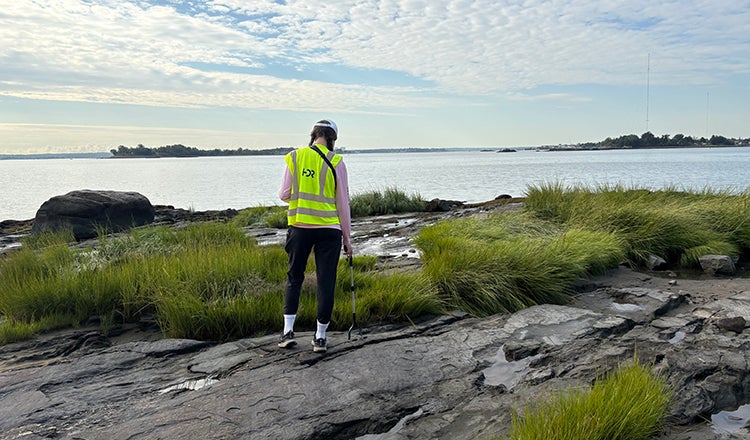
Our research for the 2026 study documented litter across roadways, surface waterways and, for the first time, coastal areas. To enable direct comparison over time, roadway and surface waterway sites first sampled in 2020 were resampled in 2025 and additional sites were included to expand geographic coverage and provide a more robust national picture. Coastal litter was sampled along the Pacific Ocean, Atlantic Ocean, Gulf of America and Great Lakes, adding a critical new dimension to understanding how litter affects environments across the U.S.
“Because in order to address litter, we need to know what is out there, how much is out there, but also how it’s getting there,” Roof said on the podcast. “What happens next after the counting and analysis? That’s when the fun begins. We bring industry leaders together and we start analyzing what is working, what has changed and what strategies do we need to start thinking about in order to continue the progress we're making.”


