

Powering Discovery: HDR's Three Decades of Partnership with the Department of Energy
Charging Forward
The United States Department of Energy (DOE) is charged with some of the nation's most complex challenges. From advancing scientific discovery and strengthening national security to developing the energy technologies of the future, its mission requires bringing together experts, institutions and ideas across disciplines.
Initiatives like the DOE's Genesis Mission are bringing renewed attention to the power of collaboration. By connecting national laboratories, industry and academia around emerging technologies such as artificial intelligence, the initiative seeks to accelerate discovery and unlock new possibilities in science, energy and national security.
While the technologies continue to evolve, the underlying challenge remains the same. Breakthroughs happen when people, ideas and tools come together in the right environment.
For more than 30 years, HDR has partnered with the DOE to create those environments. Working with 14 of the DOE's 17 national laboratories, we have helped deliver facilities that enable researchers to tackle some of the nation's most complex challenges while fostering the collaboration that drives discovery.
Creating Places for Scientific Discovery
Scientific breakthroughs increasingly depend on collaboration across disciplines. Researchers today generate and analyze enormous amounts of data, rely on sophisticated instrumentation and work alongside specialists from a wide range of fields. The facilities that support this work must be equally adaptable and interconnected.
At Brookhaven National Laboratory, the National Synchrotron Light Source II provides researchers from academia, industry and national laboratories with advanced tools to study the properties of materials. The facility enables scientists to explore questions that span disciplines and industries, supporting discoveries that may ultimately influence everything from manufacturing to medicine.
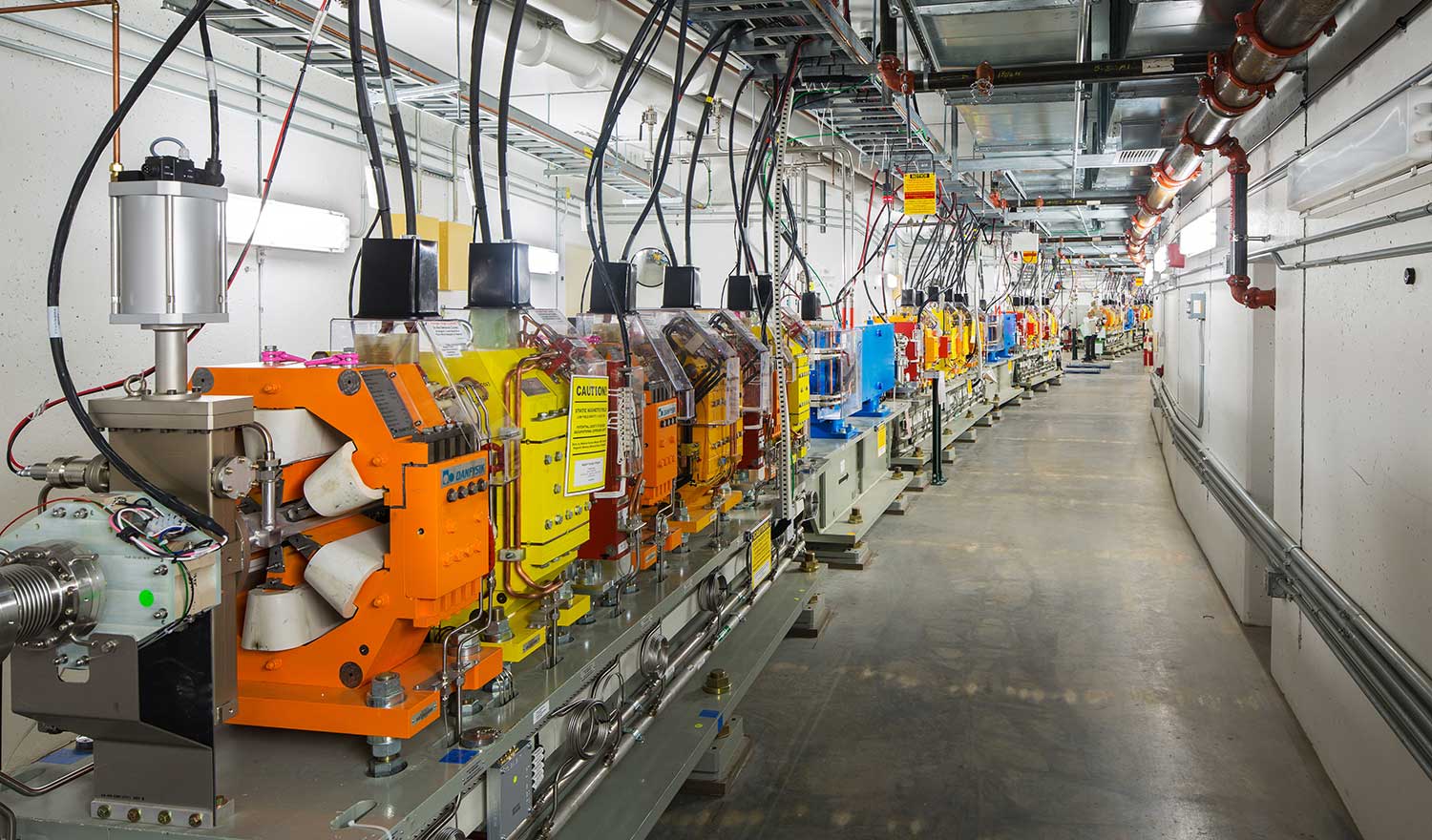
At Argonne National Laboratory, the Long Beamline Building expands the capabilities of the Advanced Photon Source, where thousands of researchers conduct experiments each year. By enabling more focused X-ray beams and real-time examination of structures at the molecular level, the facility helps scientists better understand the fundamental building blocks of the world around us.
These facilities demonstrate an important reality of modern science: discovery requires more than advanced equipment. It requires spaces intentionally designed to support the exchange of ideas, the integration of new technologies and the flexibility to meet future research needs.
Bringing Disciplines Together to Solve Complex Challenges
Many of today's scientific and energy challenges cannot be solved within a single field of study. Progress increasingly depends on bringing together experts in materials science, chemistry, physics, engineering, computing and other disciplines.
This interdisciplinary approach is reflected in Argonne National Laboratory's Energy Sciences Building. Designed to foster collaboration, the facility supports researchers working to better understand how the world produces, consumes and conserves energy. By creating opportunities for interaction across disciplines, the building helps accelerate the exchange of ideas that fuels innovation.
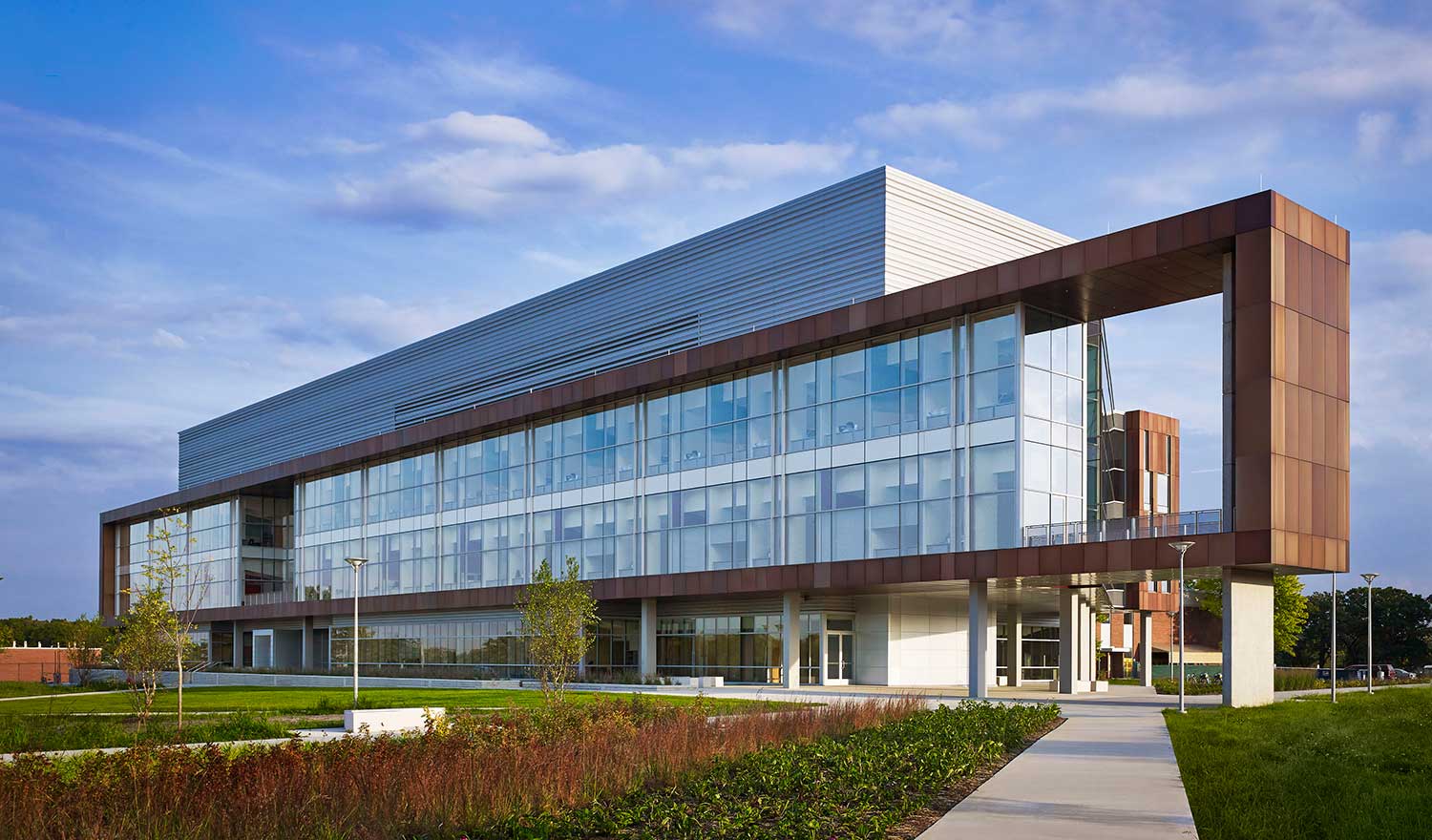
The Photon Science Laboratory at SLAC expands the laboratory's photon science program through a multidisciplinary research environment supporting synthesis, characterization, simulation, theory and modeling. Bringing together chemistry labs, biology labs, laser labs, cleanrooms and collaborative workplace space, the facility was designed to foster interaction across scientific disciplines while providing the flexibility needed to support advanced research and future innovation.
As scientific research becomes more interconnected, facilities are evolving from collections of specialized laboratories into ecosystems where collaboration is embedded into the environment itself.
Supporting the Future of Energy
The Genesis Mission is ultimately about accelerating discovery by connecting researchers with the tools and infrastructure needed to tackle increasingly complex scientific questions.
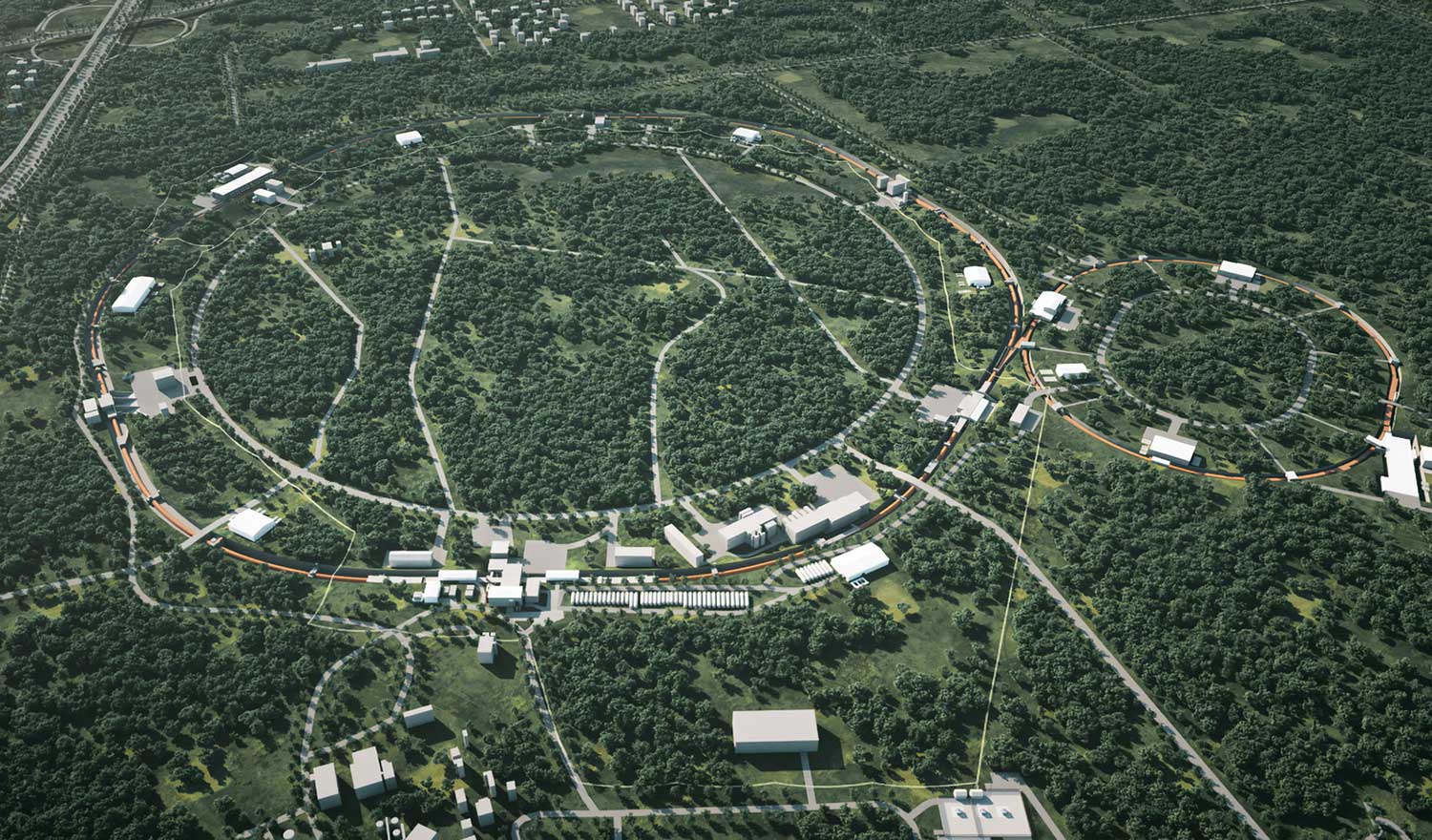
One example is the Electron-Ion Collider at Brookhaven National Laboratory, a landmark federal science project and a cornerstone of the DOE's investment in advancing humanity's understanding of matter. Once complete, the collider will generate unprecedented data about the internal structure of protons and atomic nuclei, providing researchers with new opportunities to explore some of science's most fundamental questions.
HDR is helping bring that vision to life by designing the infrastructure that supports the collider. Working closely with scientists, engineers and facility leaders, our team developed flexible utility, power and cooling systems capable of adapting to evolving research needs while integrating new facilities with existing campus assets.
Like the Genesis Mission itself, the Electron-Ion Collider reflects a forward-looking approach to scientific discovery of creating adaptable research environments that can support the next generation of breakthroughs, including those that have yet to be imagined.
Human-Friendly, Science-Friendly Design
Just as important as the research itself are the people conducting it. Increasingly, laboratories and research campuses are being designed to foster community, support well-being and create experiences that attract and retain top talent.
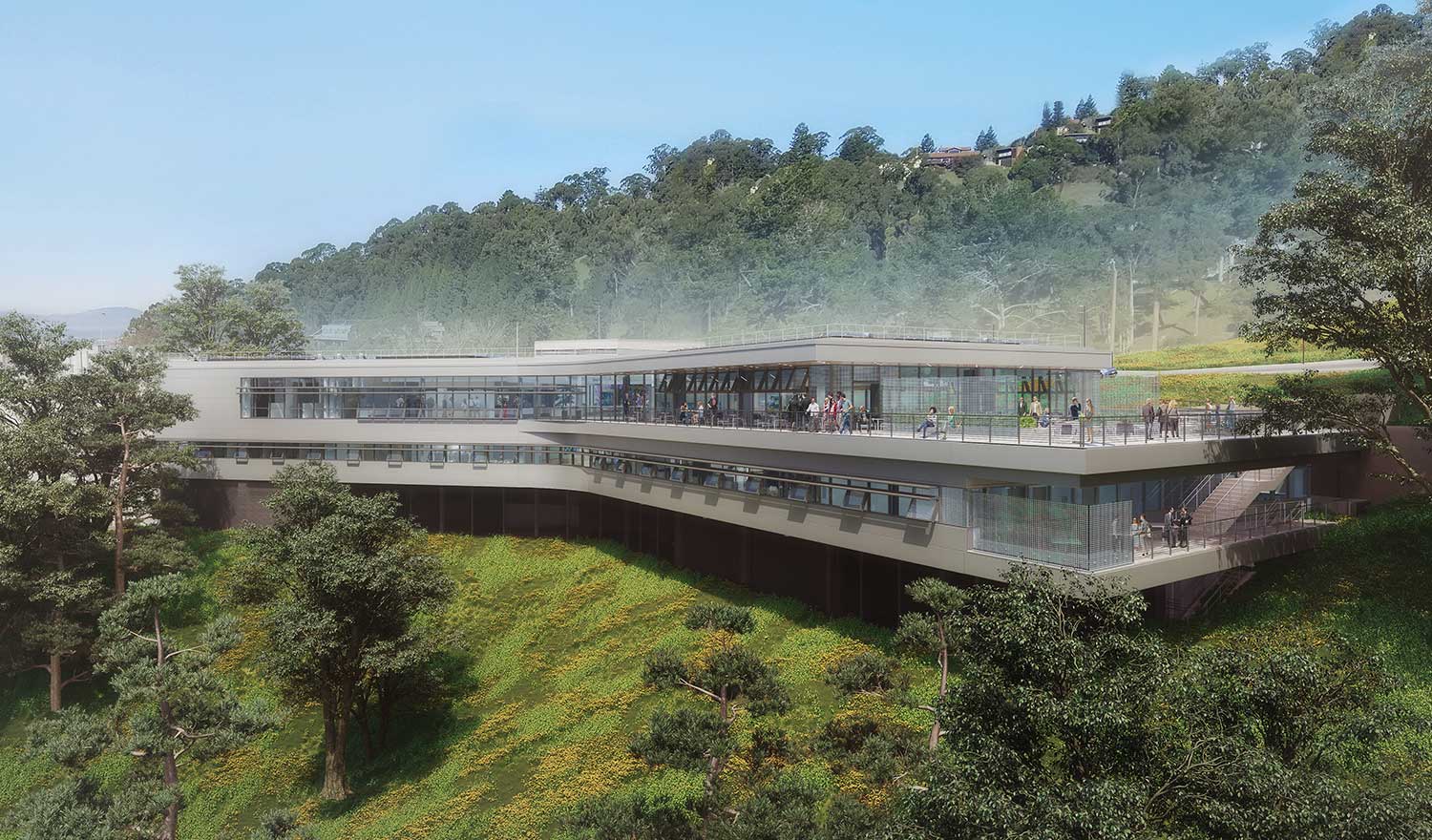
At Lawrence Berkeley National Laboratory, the Welcome Center was envisioned as the social heart of campus. With accessibility and sustainability integrated throughout the design, it provides a welcoming place for visitors, researchers and staff while strengthening connections across the broader laboratory community.
Similarly, the Control Center Facility at the National Laboratory of the Rockies' Flatirons Campus supports research, monitoring and innovation related to energy systems while providing resilient infrastructure for critical operations. The facility demonstrates how high-performance environments can support both technical objectives and the people working to achieve them.
Advancing a Shared Mission
Over the past three decades, the DOE's priorities have evolved alongside changes in science, technology and society. From large-scale research infrastructure and materials science to clean energy innovation and emerging computational capabilities, one constant has remained: the need for environments that bring people together to pursue discovery.
Today, initiatives such as Genesis underscore the growing importance of collaboration across laboratories, industry and academia. They also reinforce a lesson that has guided decades of partnership between DOE and HDR: the most powerful scientific tools are only part of the equation. Breakthroughs happen when the right people have the right environment to explore, connect and innovate.