

Transforming the Travel Experience Through Inclusive Design
Designing a First-Class Experience for All
With the rising popularity of airport lounges, travelers continue to seek the most luxurious preflight experiences. Historically restricted to the most frequent fliers and elite members with the highest airline statuses, this poses a question: whether it be in a lounge or in the public concourse, how do we curate a first-class airport journey for all?
While airline lounges have long served as the exemplar for the “first-class” airport treatment, an elevated airport experience does not always require a lounge membership. Inclusive airport design that goes beyond conforming with code and federal laws not only shows a commitment to recognizing a variety of customers, but also encourages users to find moments of relaxation, comfort and accessible luxury in their journey.
Going Beyond Code
The premise for improving inclusive design at the terminal is that it fundamentally improves the airport experience. While not mandated by code, strategic improvements in key public amenities — such as seating, restrooms and lactation facilities, amongst other touchpoints in the journey — can significantly influence the customer experience.
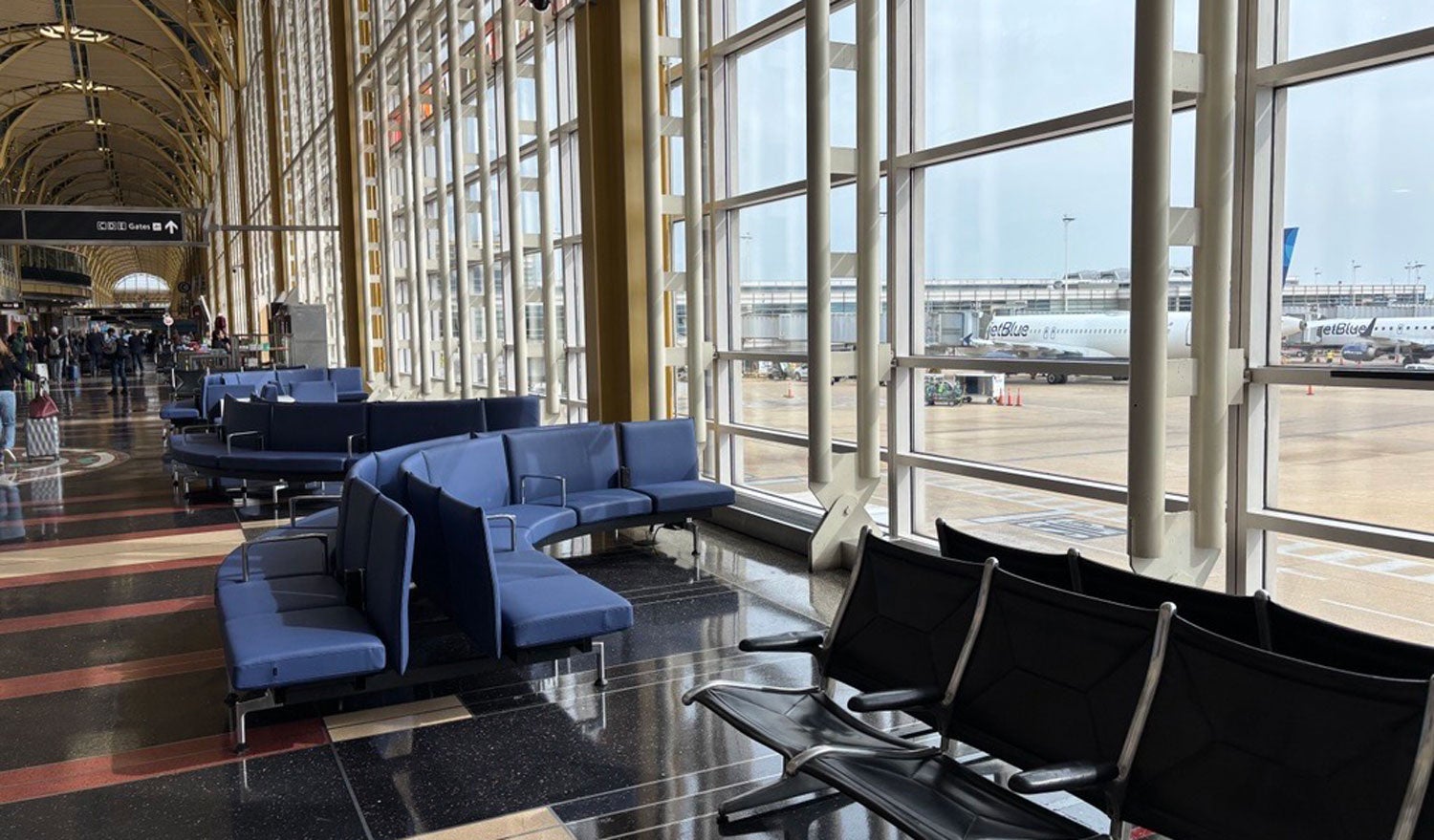
At Reagan National Airport, passenger security checkpoints were relocated, requiring the strategic rebalancing of terminal hold rooms, concessions and overall passenger circulation. Our design team leveraged this opportunity to enhance concourse and hold room seating areas by selecting a diverse range of concourse and gate seating to better reflect the productivity needs of today’s traveling public and provide alternative seating arrangements for neurodiverse travelers.
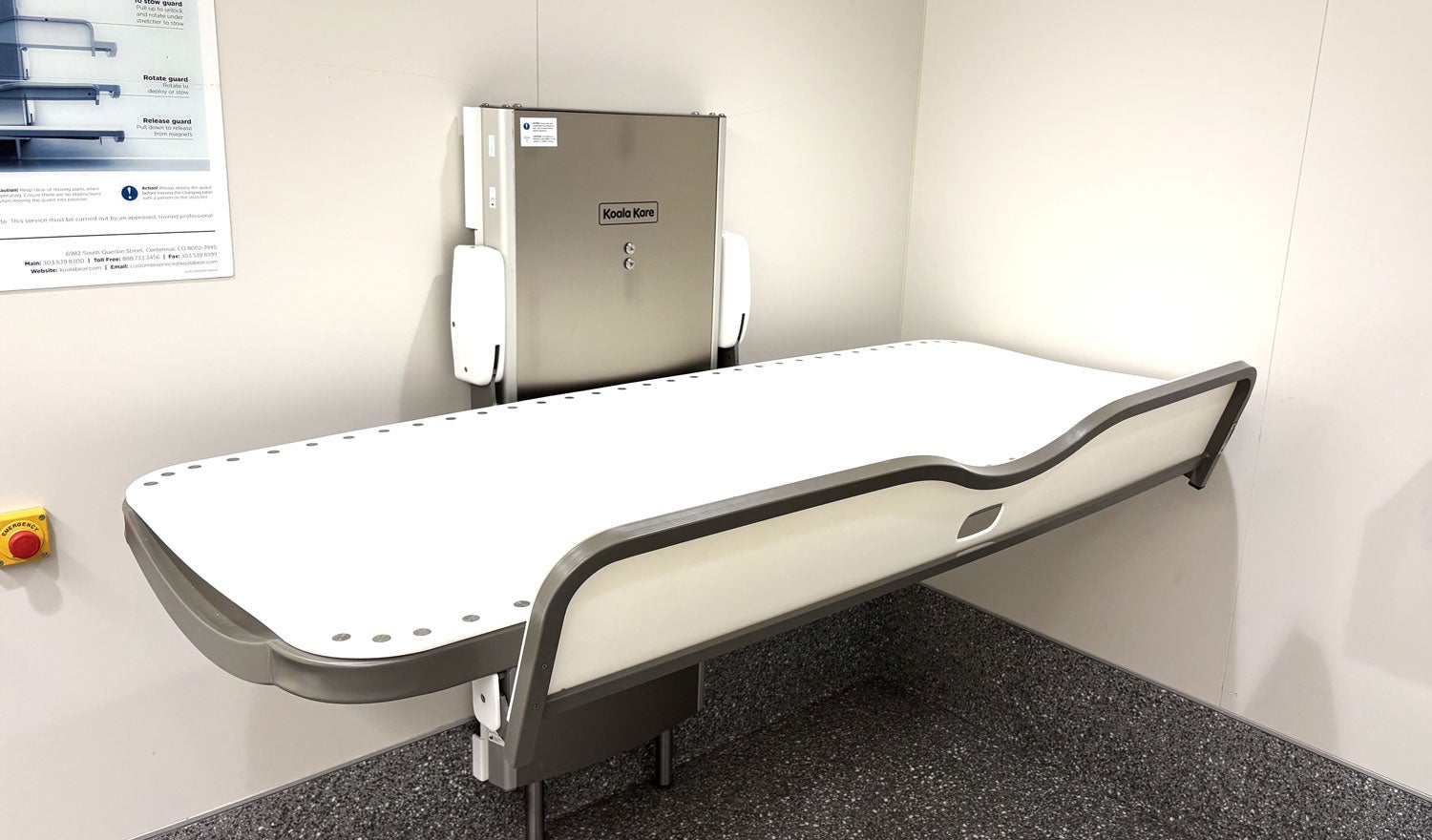
In the wake of federal requirements for basic traveler improvements, airport environments are rapidly evolving and ripe for thoughtful, customer-centric innovation. Prime examples of these opportunities include Adult Changing Place as well as Service Animal Relief Area (SARA) requirements as promulgated in recent FAA legislation that go beyond the Americans with Disabilities Act (ADA) Architectural Accessibility Guidelines.
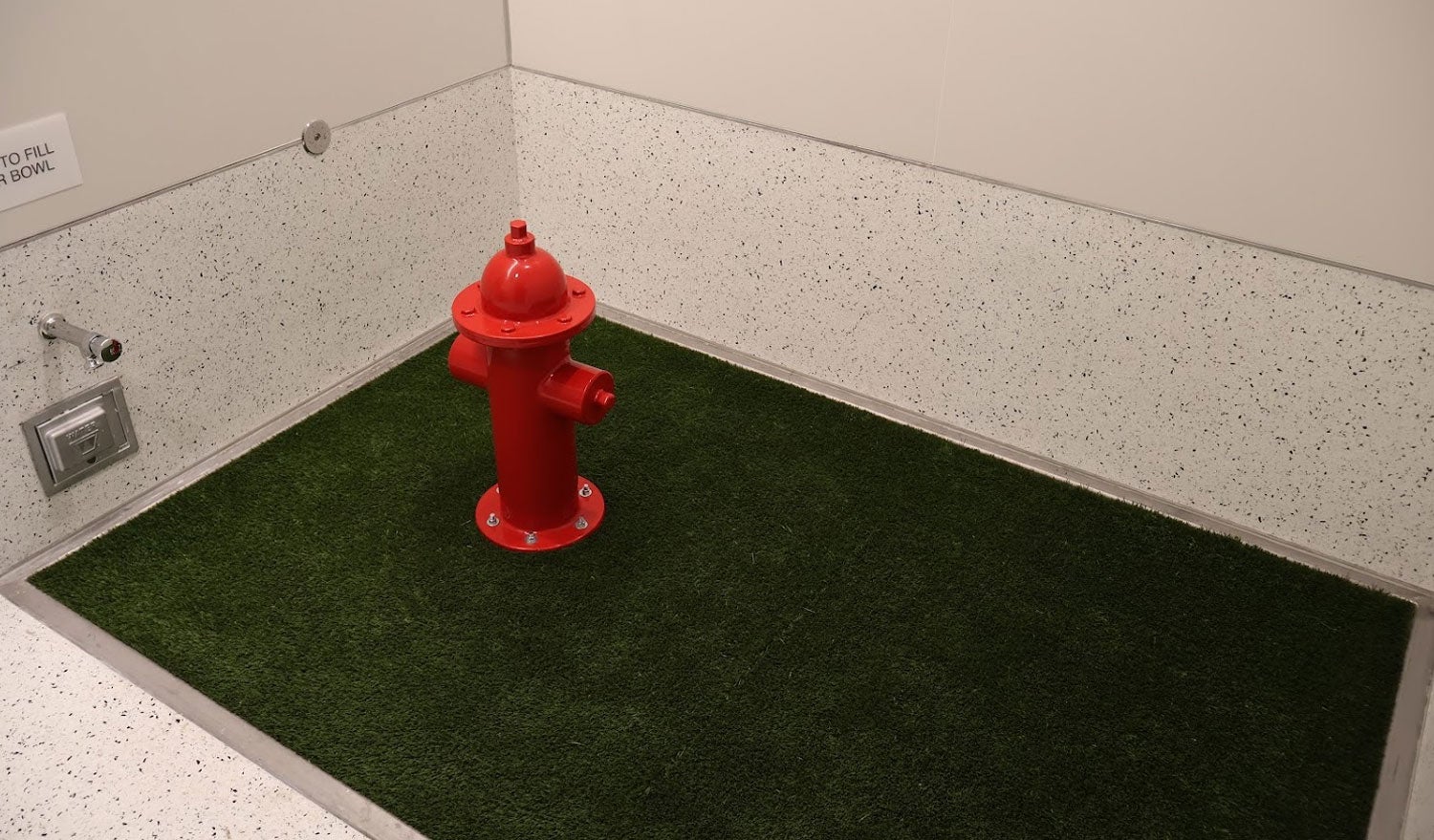
The North Platte Regional Airport terminal redevelopment presented another opportunity to transcend the basic requirements and develop a SARA facility that is truly accessible for all users. By designing a “zero-curb” pet relief area, which is typically built with curbs for drainage, strategic enhancements like a curbless relief zone dramatically change the experience for wheelchair-bound pet owners, allowing for full access into the space to clean up after their pets.
Delivering on the Vision
Curating more inclusive and accessible environments takes more than a strong vision—it requires a robust, flexible implementation plan that allows airports and their consultants to align the vision with potential scope, budget, regulatory and leadership transitions that may emerge through the life of a project.
When working on inclusive design enhancements, airport sponsors can deliver on the vision in a few ways:
- Know your constituency: Through user surveys, airports can leverage the opportunity to understand the unique needs of those traveling through their facilities. Furthermore, there’s significant value in surveying business partners, including stakeholders, tenants and agencies, to better assess their needs and challenges.
- Establish and codify airportwide principles for inclusive design with accessibility experts: These are scalable and evolving guidelines that can be modified and improved over the course of a project while establishing a “north star” for all project constituents.
- Take the time to explore funding opportunities that support inclusive or universal design initiatives: Funding streams can come from the Federal Aviation Administration’s (FAA) competitive grant programs, such as the Infrastructure Investment and Jobs Act, to state Department of Transportation and municipal-level grants. Additionally, establish project priorities and identify all “non-negotiable” project elements well in advance of construction.
Designing more inclusive travel environments goes beyond compliance. It reflects a strong owner commitment to transforming the travel experience and delivering a comfortable, thoughtful and equitable airport for all.
