

Experts Talk: Planning and Environmental Linkages With Zach Bentzler
Experts Talk is an interview series with technical leaders from across our transportation program.
PEL Studies Offer Flexibility and Shorter Project Delivery for Transportation Improvements

Planning and environment linkage (PEL) studies have become popular with state and local transportation agencies for their flexibility and efficiency. These studies help decision-makers identify and analyze potential solutions, while also considering stakeholder, public and agency input, and environmental conditions. However, their primary benefit is eliminating duplicated efforts between planning studies and future environmental reviews through the National Environmental Policy Act (NEPA) process. Doing so can shorten environmental review timelines and bring transportation infrastructure to construction sooner.
Zach Bentzler leads our PEL practice group and has 15 years of experience preparing environmental documents. In addition to contributing to nine PEL projects in six U.S. states, Zach is conducting research for the Transportation Research Board (TRB) evaluating the effectiveness of the Federal Highway Administration’s (FHWA) PEL program and how it is implemented by state, regional and local transportation agencies. In this interview, he explains what PEL studies are, when agencies should consider using this tool and how this approach can benefit project schedules and funding.
Q. What are PEL studies and what sets them apart from other planning studies?
A: Planning studies, like feasibility or corridor studies, have been around for a long time. PEL studies differ in that federal statutes and regulations allow planning study products — such as purpose and need statement, alternatives eliminated and alternatives advanced, as well as related decisions — to be reused or incorporated by reference into future environmental review or permitting process. This reduces rework and shortens the NEPA and permitting delivery time for transportation projects.
Also, because PELs follow a framework endorsed by the U.S. Department of Transportation, state and federal regulatory agencies have an incentive to get involved early, which improves understanding of the project and the environmental constraints that will influence and strengthen the development of alternatives going into NEPA.
Q. When is a PEL study helpful? And when is it not?
A: PEL studies can be helpful when:
- A transportation problem is not well defined.
- There is stakeholder disagreement on the best solution.
- A large study area could lead to multiple projects
- Project funding for NEPA, design and construction is not yet identified.
- You intend to move into NEPA within five years of completing a planning study.
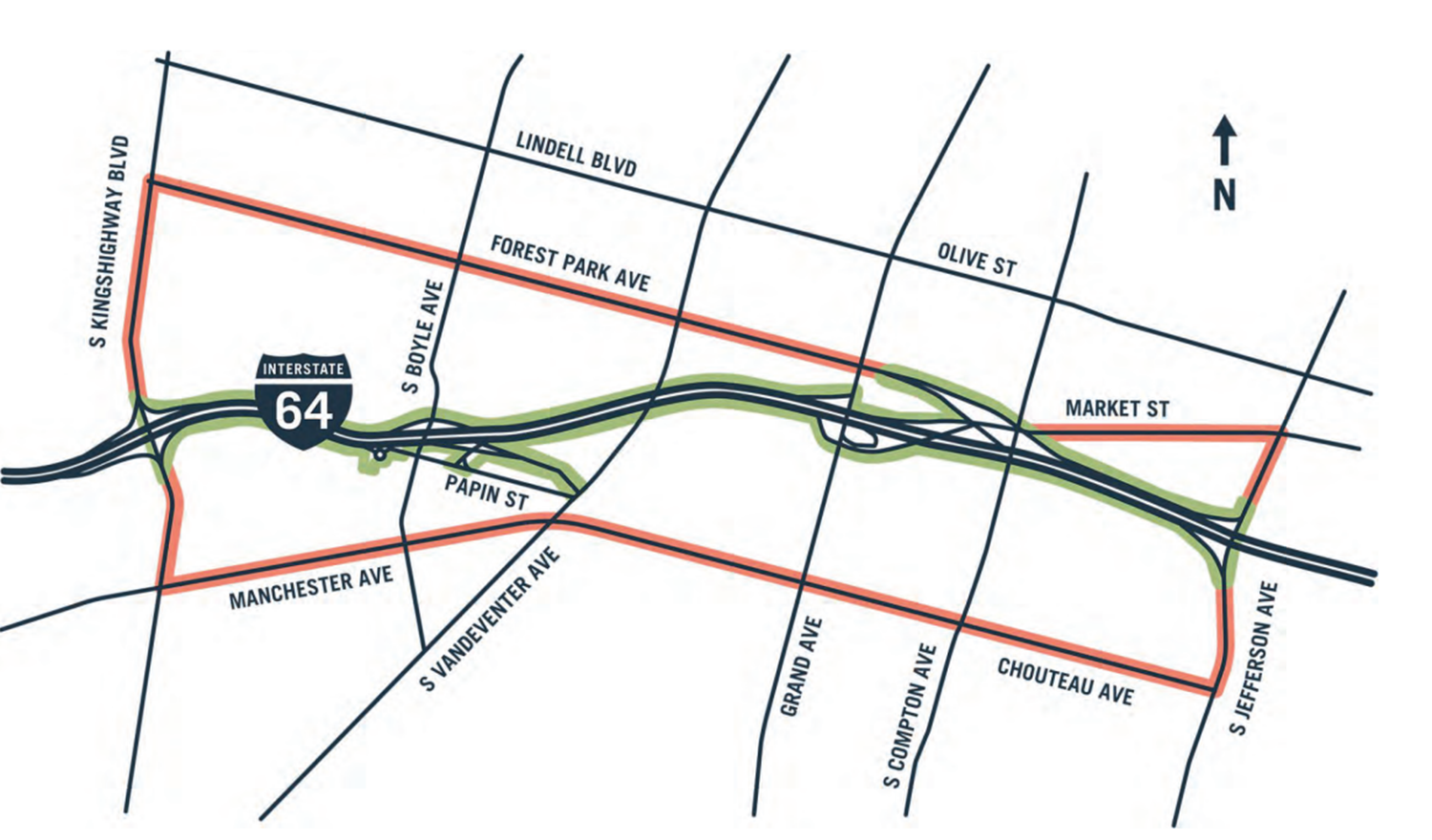
They’re also helpful during tight NEPA schedules, especially when environmental assessments and environmental impact statements are under pressure to meet regulated federal timeframes. On a PEL study in Idaho Falls, Idaho, to identify an improved connection between two highways, the purpose and need statement was thoroughly vetted with the FHWA. When the project advanced into NEPA, the team reused the same purpose and need statement with only minor revisions and updated travel demand forecasts. Similarly, in a PEL Study focused on asset management and improvements at two interchanges in St. Louis, the alternatives evaluation and implementation plan allowed the client to quickly prioritize and select an initial project to move into preliminary design.
PEL studies also help agencies identify future environmental issues early, such as wildlife habitat, historic properties, parks, trails or hazardous materials sites, giving agencies time to consider avoidance, minimization and mitigation strategies before detailed design. They can also guide project sponsors and inform requests for proposal (RFPs), including milestone check-ins for departments of transportation (DOTs), metropolitan planning organizations (MPOs), cities and counties.
But PEL studies are not always the best solution. Some of the reasons why not to conduct a PEL include:
- There is confusion about what the study is trying to accomplish.
- Design solutions have already been identified.
- Construction funding is already secured. If so, it usually makes sense to go straight into NEPA
- The study focuses on minor improvements that might not require preparation of a NEPA document.
Q. What are the keys to making a PEL study useful in the NEPA process?
A: The requirements specifying what planning products developed during a PEL process can be used in future NEPA or permitting are well defined in FHWA and Federal Transit Administration (FTA) regulations and federal statutes. These include early and consistent involvement with federal, state, public, tribal and resource agencies, as well as well-documented reasons for choosing alternatives for future consideration. Other requirements include a purpose and need that includes existing and future transportation issues, public notice that the planning products may be used in a future environmental review, and consideration of environmental impacts and issues as alternatives are developed.
We’ve found that filling out the required FHWA PEL questionnaire at the beginning of the project rather than at the end helps guide scoping and project development, reinforces sound decision-making, records proper stakeholder involvement and highlights issues needing to be resolved during NEPA. It also helps identify traffic and environmental methodologies early and align them with project needs, reducing the risk of redoing work in NEPA and building a foundation for later environmental review and permitting. For example, in Kootenai County, Idaho, HDR developed methodologies early in the PEL study that were used to assess multiple corridors within a 68-square-mile area. This analysis is expected to serve as the baseline for future individual projects.
Q. What trends and lessons learned are making PELs more valuable for clients and their future projects?
A: One of the most valuable shifts we’ve seen is agencies developing a strong implementation plan as part of a PEL study. Rather than simply identifying recommended alternatives, an agency can outline how a project can actually be delivered. For example, a PEL for a five-mile corridor with bridges and several intersections could identify and advise an agency to break up various improvements into deliverable phases. This approach can better position the agency for funding, support budget management and clearly communicate milestones to stakeholders. Some agencies are also incorporating benefit-cost analysis early in the planning process. Every project is different, but based on our research of nearly two dozen recent environmental impact statement (EIS) projects, those that completed a PEL study finished NEPA in roughly half the time, saving time and reducing project risk.
We’re also finding that more local agencies and MPOs are willing to conduct PEL studies themselves in anticipation of future federal funding. When taking the lead, or partnering with state DOTs, they can be at the forefront of decision-making and long-term visioning, while positioning for grant funding opportunities.
At the state level, more DOTs are exploring opportunities to take ownership of environmental responsibilities from FHWA through the NEPA Assignment Program. As more states gain authority to lead their own NEPA reviews, they have greater flexibility in tailoring planning processes and to embed PEL principles into their project delivery workflows to further streamline planning and environmental review.
Additionally, PEL studies are not just for FHWA and roadway projects anymore. The primary general PEL statute, 23 U.S.C. 168, is applicable to all transportation projects, so federal lead agencies such as the FTA and FRA can also lead PEL studies. A recent example includes a PEL study in Boise, Idaho, that identified a mode and corridor for implementation of high-capacity rail transit.
Q. How can a PEL help position an agency to receive federal funding?
A: While a PEL study does not guarantee federal funding, it can strengthen an agency’s chances when applying. A good PEL reaches consensus on a transportation solution, defines a recommended alternative or alternatives, develops reliable cost estimates and implementation schedules, and scopes environmental issues to be addressed during the NEPA process. All of these components are useful to a local or state transportation agency during the grant application process.
Having the lead agency and resource agencies aligned on the desired purpose and need, and direction of the project makes funding conversations easier. During the development of alternatives for a PEL study in Arapahoe County, Colorado, the project team identified early action projects, and obtained funding for four of those projects, before the PEL study document was published.

Other agencies, such as those in Colorado Springs, Colorado, are taking another approach by strategically using federal planning grants to fund PEL studies. In one case, we supported the win of a Bridge Investment Planning (BIP) grant to fund a PEL study and jumpstart a bridge replacement project. We delivered the PEL study and the client is now positioned to continue forward with project implementation.
Inspiration & Advice
Q. How did your career lead you to PEL studies?
A: Before coming to HDR in 2019, I had worked on multiple EIS documents with alternatives analysis, and so I had an interest in that, in particular. A few years later, I was accepted into TaLON, a career development program at HDR that led me to engage with our PEL program in Colorado. I began supporting individual PEL projects as well as the PEL practice group. Those mentorships and the quick ramp-up in experience with PEL studies led me to this opportunity.
Q. What advice do you have for those interested in a similar career focused on leading PEL studies?
A: I come at PEL studies with a background in NEPA. I believe that PEL study teams are most effective when they include an experienced NEPA practitioner. However, PEL studies are very comprehensive in what they can include and diverse in their outcomes. This means there are opportunities for many disciplines to get involved in PEL studies. The skills and experience gained during feasibility studies, corridor studies, alternatives analysis, NEPA and public engagement, are similar to a PEL. Talk to your internal project teams and clients to learn about their upcoming projects and whether a PEL approach would be beneficial.
Each Experts Talk interview illuminates a different aspect of transportation infrastructure planning, design and delivery. Check back regularly for new insights from the specialized experts and thought leaders behind our award-winning, full service consulting practice.


